The best sandals for new walkers offer a flexible sole, secure fit, comfort, and safe traction for early steps.
A first pair of sandals can make a big day feel much easier. New walkers often switch between wobbly indoor steps, grass, warm sidewalks, and splashy play. The wrong shoe may feel stiff, slip at the heel, or rub small toes. I looked at sole design, closure style, toe coverage, weight, and likely use. This guide covers baby first walkers, water shoes, prewalkers, and one adult walking option. It also explains where each pair fits best, so you can choose with less guesswork.
Beach Sandal Walker Ski Glides – Coral

The Beach Sandal Walker Ski Glides in Coral are not baby sandals. They are replacement-style glides made for compatible one-inch walker tubes. Their main job is to help a mobility walker move more smoothly across suitable surfaces. The coral color also makes the attachment easy to spot.
This product may help an adult who already uses a compatible walker and wants a glide rather than a standard rubber tip. It is not designed for a child learning to walk, and it should not be treated as footwear. Check your walker tube size and the fit before use. I would also inspect the glides often, since worn parts can affect control and balance.
Pros:
- Designed for compatible one-inch walker tubes
- Smooth glide action may reduce dragging
- Bright coral color is easy to identify
- Sold as a pair for balanced replacement
- Useful as a spare set for walker maintenance
Cons:
- Not sandals or shoes for new walkers
- Only fits compatible one-inch tubes
- May not suit every floor or outdoor surface
Beach Sandal Walker Ski Glides – Lime

The Lime version uses the same basic idea as the coral pair. These walker ski glides are made for one-inch walker tubes, so they are mobility accessories rather than footwear. The lime shade gives the part a clear, visible look. That can be helpful when checking a walker before each use.
I see this set as a practical replacement choice for a person who already owns a matching walker. It may help the frame move with less scraping than worn feet, but the result depends on the floor and walker design. Measure the tube before ordering. If the fit is loose, do not use the accessory until the issue is corrected.
Pros:
- Made for compatible one-inch walker tubes
- Bright lime color supports quick visual checks
- Pair format allows both sides to be replaced
- May make walker movement feel smoother
- Useful for replacing worn walker glides
Cons:
- Not suitable for babies or toddlers
- Requires exact tube compatibility
- Performance can vary by surface type
BARERUN Baby Water Shoes – Cyan
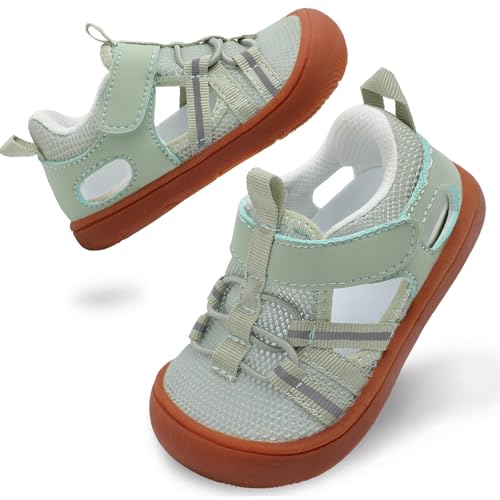
The BARERUN baby water shoes are listed for babies from 18 to 24 months in the Cyan option. The design targets beach trips, pool areas, water play, and summer outings. A quick-dry upper can be useful after splashes, while a light build may feel less tiring for small feet. The sporty shape also gives these shoes a more active look than soft crib footwear.
For new walkers, I value the balance between coverage and easy movement. A water shoe can shield toes from hot ground, small stones, and rough play areas, but parents still need to check the sole flex and fit. The shoe should stay on without squeezing the foot. Use the size chart, leave room for natural toe movement, and remove wet shoes after play so the feet can dry.
Pros:
- Useful for beach, pool, and water play
- Quick-dry design suits wet summer activity
- Breathable build may improve warm-weather comfort
- Lightweight shape supports active movement
- Sporty coverage protects more of the foot than open sandals
Cons:
- Listed size is limited to the 18-24-month range
- Water shoes may hold moisture around the foot
- Parents must confirm sole flexibility for early walkers
Skechers Cali D’LUX WALKER

The Skechers Cali D’LUX WALKER is an adult women’s walking shoe, not a baby first walker sandal. It belongs in this guide because the product list includes an option for an adult who may also need comfortable walking footwear. The name points to a cushioned walking style with a casual look. It may work for errands, travel, and daily walks.
I would choose this type of shoe for an adult caregiver, grandparent, or new parent who wants support during long days on their feet. It does not replace a properly fitted medical shoe, and it is not intended for a child. Check the width, heel hold, and walking surface before buying. A snug heel and enough toe room matter more than a soft feel alone.
Pros:
- Designed for adult women’s everyday walking
- More suitable for errands than baby footwear
- Casual style can move from walks to daily tasks
- May offer a cushioned feel underfoot
- Useful for caregivers who spend long periods standing
Cons:
- Not a sandal for babies or new child walkers
- Adult sizing requires careful width and fit checks
- May be more shoe than needed for hot beach use
Myleleya Baby Girls Soft Sole Sandals

Myleleya baby girls’ sandals use a soft sole and a closed-toe shape. The listing presents them as infant shoes, crib shoes, prewalkers, and first walkers. That mix makes them useful for families moving from bare feet to light outdoor protection. The closed toe may help guard small toes during crawling, standing, and early steps.
Soft soles can feel gentle during the prewalking stage, but I would not assume every soft shoe offers enough grip for outdoor walking. These sandals are best for short, easy outings and supervised practice. Check that the upper does not fold under the toes. For a child who walks often outdoors, compare the sole bend and traction with a true first-walker shoe.
Pros:
- Soft sole feels gentle for prewalkers
- Closed toe gives added front-foot coverage
- Works for crib, indoor, and light summer use
- Light design may support natural foot movement
- Suitable for families seeking a dressier first shoe
Cons:
- Soft sole may offer limited outdoor traction
- Infant sizing can be outgrown quickly
- Not ideal for rough ground or long walks
BARERUN Infant First Walker Water Shoes

The BARERUN infant sandals are listed for babies in the 6-to-12-month size range. They combine a summer sandal look with water-shoe use, so they may suit warm days, splash play, and early crawling. The pink version has a playful style for everyday baby outfits. As a first walker option, it is aimed more at light protection than rugged trail use.
I like this category for babies who pull up, cruise along furniture, or take a few supported steps. At this stage, fit matters greatly because a loose shoe can twist while the child moves. Check the heel, toe space, and closure before each outing. These shoes should be used with close supervision, especially near water or on slippery ground.
Pros:
- Listed for young infants from 6 to 12 months
- Useful for summer and splash-play settings
- Combines sandal styling with broader foot coverage
- Light design may feel comfortable for early movement
- Pink color offers a cheerful everyday look
Cons:
- Small infant size has a short growth window
- Not a substitute for a certified water-safety device
- Parents must check traction on wet surfaces
E-FAK Closed-Toe First Walker Sandals

The E-FAK first walker sandals feature a closed toe and a rubber sole. The listed khaki option has a neutral look that can match many baby outfits. The product is presented for infants and toddlers, including a very young 0-to-6-month size. Closed-toe sandals can offer more protection than open designs when a baby crawls or bumps into furniture.
This pair is best viewed as a gentle transition shoe, especially for indoor use and short, supervised trips. A rubber sole can add grip, but the key question is whether it bends easily near the front of the foot. I would inspect the inside for seams and rough spots. Babies grow fast, so measure the foot rather than relying only on age labels.
Pros:
- Closed toe helps protect small toes
- Rubber sole may improve basic floor grip
- Neutral khaki color suits many outfits
- Designed for early infant and toddler stages
- Useful for crawling, cruising, and short first steps
Cons:
- Very young sizes may suit prewalkers more than walkers
- Rubber soles can feel firm if they do not flex well
- Age-based sizing may not match every child’s foot
FEETCITY Infant First Walker Sandals

FEETCITY infant first walker sandals are made for the early stage between soft crib shoes and more active footwear. Their sandal format fits warm-weather dressing and simple daily wear. The listing also describes them as slippers and summer crib shoes. That makes them a flexible choice for indoor use, photos, family visits, and short outings.
For new walkers, I focus on whether a sandal stays secure without making the foot work too hard. A flexible, light shoe is usually easier for a child who is still learning balance. Parents should check for a wide enough toe area and a heel that does not slide out. Since product sizing can vary, measure both feet and use the larger measurement when choosing.
Pros:
- Versatile design for crib, indoor, and summer use
- Suitable for the transition into first footwear
- Light structure may support early balance practice
- Slipper-like comfort can suit relaxed home wear
- Sandal style works well in warm weather
Cons:
- May provide less protection than a closed-toe shoe
- Limited details make fit checks especially important
- Not the strongest choice for rough outdoor ground
Jastore Infant Squeaky Flower Sandals

The Jastore infant sandals bring a flower detail and a squeaky feature to the first-walker category. The beige color gives them a soft, dressy look for family events or summer photos. The listing places them in the newborn, crib shoe, prewalker, and first walker group. They are best suited to early movement rather than demanding outdoor mileage.
Squeaky shoes can make a baby smile and may help a parent notice each step. Still, the sound can become distracting in quiet places, and some children may dislike it. I would test the shoes indoors before taking them to a busy event. Check the sole, seams, and fastener, then use them for short periods while the child builds confidence.
Pros:
- Playful squeak can make early steps engaging
- Flower detail adds a dressy summer touch
- Beige color pairs with many baby outfits
- Suitable for prewalker and first-step stages
- May help parents hear movement during practice
Cons:
- Squeak may bother parents or children
- Decorative design may not suit rough outdoor play
- Infant sizing requires careful foot measurement
COSANKIM Infant Flower Soft Sole Sandals
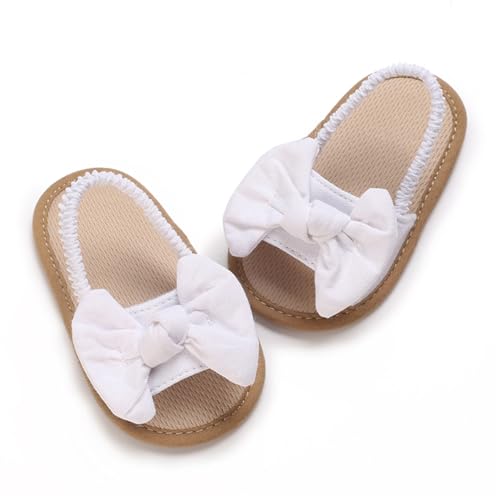
COSANKIM infant sandals use a flower design and a soft sole. The listed option is white and sized for a very young infant, from 3 to 6 months. These details place the pair closer to crib shoes and prewalkers than to active walking sandals. They can complete a warm-weather outfit while giving the feet light coverage.
I would recommend them for babies who are not yet walking or who only stand with support. Soft soles can let little feet move with less restriction indoors. Once a child walks outside with regular steps, a parent should look for a shoe with tested traction and a more protective build. Keep the white upper clean and dry, since light colors show marks quickly.
Pros:
- Soft sole suits the prewalking stage
- Flower detail creates a sweet dress-up look
- White color works with special-event outfits
- Very light design may feel gentle on small feet
- Useful as a crib or supported-standing shoe
Cons:
- 3-to-6-month size is not for most active walkers
- White material may show dirt and stains fast
- Soft sole may lack outdoor traction
How I Choose the Best Sandals for New Walkers
When I review the best sandals for new walkers, I start with the child’s stage. A baby who crawls and pulls up needs a different shoe from a toddler who walks across sidewalks. Prewalkers often need soft, light coverage for short use. Active new walkers need more secure closures, a flexible sole, enough toe room, and reliable traction.
The American Academy of Pediatrics advises parents to let babies go barefoot in safe settings while they learn balance and foot control. Shoes mainly protect the feet outdoors. That point matters because a stiff or heavy sandal can act like a small anchor. I prefer a shoe that bends near the toes, stays on the heel, and does not force the foot into a narrow shape.
Toe protection is another key issue. Open sandals allow airflow, but closed toes can help protect against bumps, gravel, and warm ground. Water shoes add useful coverage for beach or pool trips, yet wet surfaces can still be slippery. No sandal removes the need for close supervision near water.
What Makes a Good First Walker Sandal?
A good first walker sandal should feel light and secure. The sole should flex at the ball of the foot rather than folding in the middle. The heel should stay in place when the child takes a step. The front should give the toes room to spread, with no pressure on the big toe or little toe.
Look for a closure that an adult can adjust. Hook-and-loop straps are simple and helpful when a child’s foot is between sizes. Elastic can add comfort, but it should not replace a secure fit. Slip-on shoes may work for prewalkers, yet they can slide off during active walking.
Material also changes the best use. Soft fabric and flexible soles work well indoors. Quick-dry material is helpful for water play. Leather or firm synthetic uppers may offer more protection, but they can feel warm or stiff. Think about the setting first, then choose the sandal.
Fit and Sizing Tips for Baby First Walkers
Do not choose only by age. Children grow at different rates, and product sizes differ across brands. Place the child’s foot on paper, mark the heel and longest toe, and measure both feet. Use the larger foot when checking the seller’s size chart.
A small gap in front of the longest toe allows movement and growth, but too much extra space can make the sandal unstable. The heel should not lift far with each step. Check the fit at the end of the day, when feet may be a little larger.
After the first few wears, inspect the skin. Red marks that remain after the shoe comes off suggest pressure. Blisters, curled toes, or a child who keeps removing the sandal are signs to stop and reassess. Comfort is not a luxury for a new walker. It is part of safe practice.
Open-Toe or Closed-Toe Sandals?
Open-toe sandals offer airflow and can feel cool in summer. They may suit calm indoor use, lawns, and short walks on clean ground. However, exposed toes can catch on rough surfaces or meet small objects. I would use them with more care for a child who stumbles often.
Closed-toe sandals provide a small shield over the front of the foot. They are often a better choice for playground edges, gravel paths, and busy outdoor areas. The trade-off is heat and less airflow. Make sure the toe box remains roomy and the material does not rub.
For many families, owning both styles makes sense. Use a soft open sandal for a cool indoor day and a closed water shoe or first walker sandal outside. The best sandals for new walkers are not always one single pair. They are the pair that matches the child and the place.
Water Shoes Versus Regular Baby Sandals
Water shoes are made for wet play. They often cover more of the foot and use materials that dry faster than cotton. That coverage can help protect feet from sand, pebbles, and warm surfaces. They can also feel warmer than a breezy sandal.
Regular baby sandals may work better for daily summer wear. They can offer more airflow and a lighter feel. Still, not every fashion sandal has enough traction for a child who is learning to walk. I always check the sole and closure before choosing looks over function.
Neither type should stay wet for hours. Remove the shoes after water play, rinse away sand, and let them dry fully. This simple habit can reduce odor and help the material last longer.
Best For Table
| Best for | Why |
|---|---|
| Prewalkers and supported standing | Soft sole styles from Myleleya, COSANKIM, and FEETCITY feel light for indoor use. |
| Beach and water play | The BARERUN water shoes give more coverage for wet summer activities. |
| Adult caregivers who walk often | The Skechers D’LUX WALKER is the only listed option made for adult daily walking. |
My Recommendation
For a baby taking early steps in warm, wet places, I would start with the BARERUN Baby Water Shoes in Cyan. They offer the clearest match for beach, pool, and summer play. For indoor prewalking and dressy use, Myleleya is a more suitable pick because its soft sole and closed toe fit that stage. FEETCITY is a flexible everyday option for families who want a simple summer first shoe.
The E-FAK sandals stand out when closed-toe coverage matters, while Jastore adds a playful squeak for families who enjoy that feature. COSANKIM is best for younger prewalkers, not active outdoor walkers. The two Beach Sandal Walker Ski Glides and the Skechers pair serve different users entirely, so do not confuse them with baby footwear. In my view, the best sandals for new walkers are the ones that fit the child’s stage, stay secure, and match the planned activity.
Safety Tips for New Walker Shoes
Let your child practice barefoot indoors when the floor is safe and clean. Bare feet help a child feel the ground and work on balance. Use sandals outdoors to protect the feet, not to speed up walking. Start with short sessions and watch how the child moves.
Check the sole for smooth wear, cracks, or loose parts. Look inside for grit, rough seams, or labels that may rub. Sand can hide under the foot, so clean the sandal after beach play. Replace the pair when the toes reach the front, the heel slips, or the sole becomes hard and slick.
Never rely on a sandal for water safety. A child near a pool, lake, or ocean needs an attentive adult within reach. Shoes may protect feet, but they do not prevent drowning. This is one area where careful supervision matters more than any product feature.
FAQs Of Best Sandals for New Walkers
When should a baby start wearing sandals?
Most babies do not need shoes before they walk outdoors. Start with sandals when the child takes regular steps outside and needs foot protection. Use soft, flexible footwear for short periods.
Should first walker sandals have a hard sole?
No. A first walker sandal should have a protective sole that still bends near the front. Very stiff soles can make balance and natural movement harder.
Are closed-toe sandals better for new walkers?
Closed-toe sandals can protect toes from bumps, stones, and hot ground. Open toes may feel cooler. Choose based on the setting, fit, and the child’s walking skill.
How much room should baby sandals have?
Leave a small amount of space beyond the longest toe for movement and growth. Avoid a large gap, since extra space can cause slipping. Always compare the foot measurement with the brand’s chart.
Can babies wear water shoes as daily sandals?
Some can, but comfort and flexibility come first. Water shoes may be warmer and less airy than regular sandals. Remove them after wet play and let both the shoes and feet dry.
Final Verdict: Which Should You Buy?
For beach and pool play, the BARERUN Cyan water shoes are the strongest match. For indoor prewalkers, Myleleya offers a gentle soft-sole choice. E-FAK is a good pick when closed-toe coverage matters.
The best sandals for new walkers should fit well, flex easily, and suit each outing. Measure before ordering, supervise every step, and check the fit often as little feet grow.
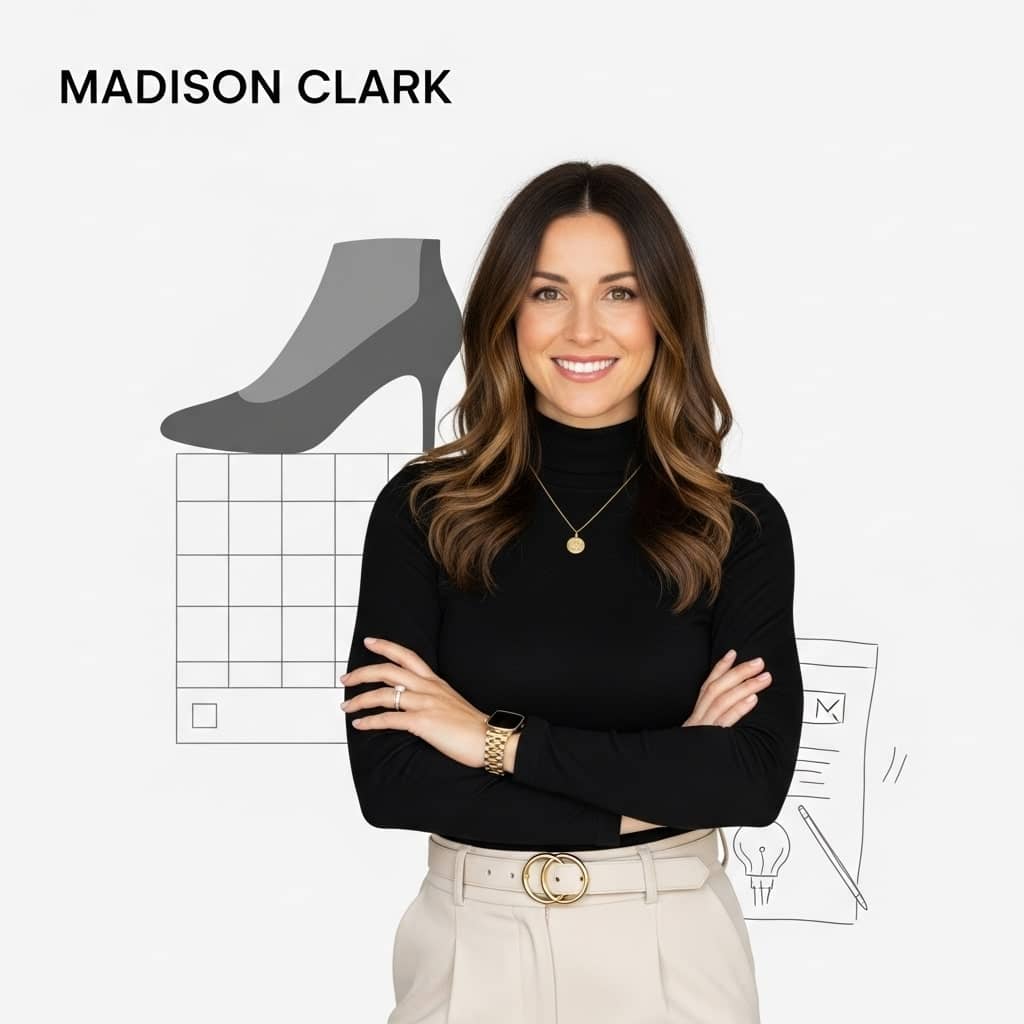
Madison Clark is a footwear expert and the voice behind MyStyleGrid.com. She specializes in honest shoe reviews, style tips, and practical guides to help readers find the perfect pair for any occasion. With years of experience in blogging and content creation, Madison makes footwear knowledge simple, stylish, and easy to follow.