No, the Galaxy Watch Active 2 is no longer receiving regular software or security updates from Samsung.
The Galaxy Watch Active 2 can still track workouts, show notifications, measure heart rate, and handle daily tasks. However, its Tizen software is now old, app support is shrinking, and Samsung has moved its newer watches to Wear OS. This guide explains what “supported” means today, what still works, and whether keeping or replacing the watch makes more sense.
Is the Galaxy Watch Active 2 still supported?
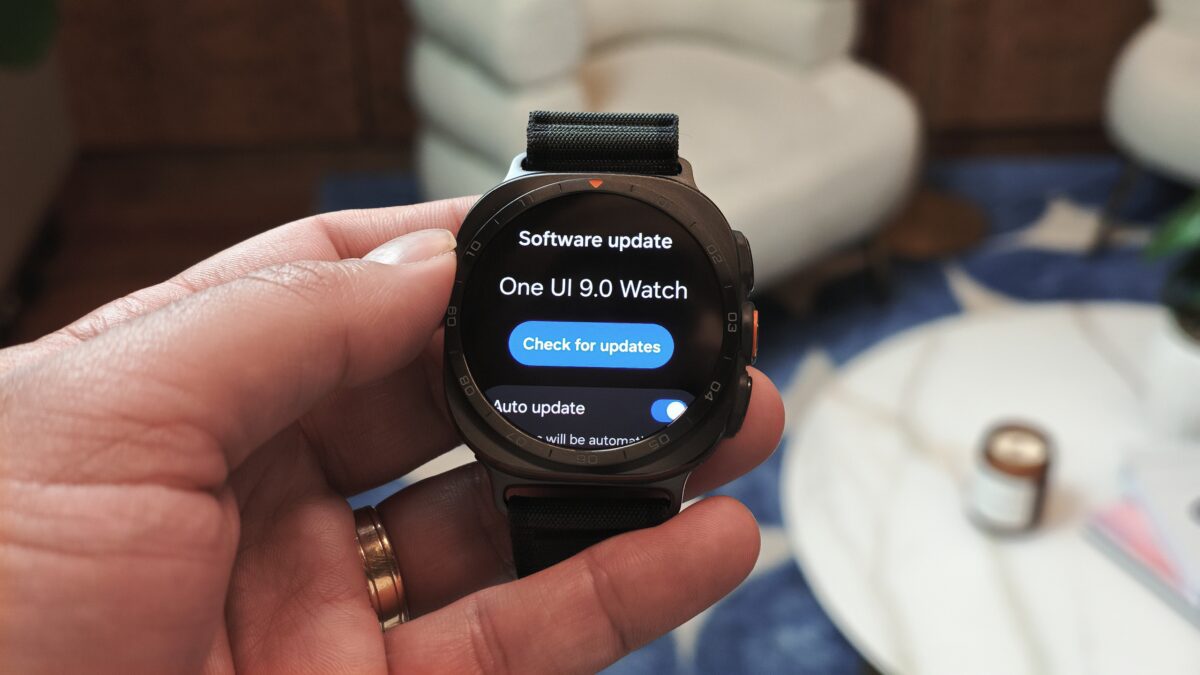
The short answer is no, not in the way a current Galaxy Watch is supported. Samsung has ended regular software development for the Galaxy Watch Active 2, which launched in 2019 with the Tizen operating system.
The watch received several important updates during its life. These included improved health tools, better sleep tracking, new watch faces, and One UI Watch updates. Its final major software features arrived years ago, though the exact version can vary by region and model.
Today, you should not expect:
• New major operating system updates
• Regular security patches
• New Samsung health features
• Full support for new phone software forever
• New apps designed for modern Galaxy Watches
The Galaxy Watch Active 2 may still connect to a compatible phone. It may also continue to perform its core tasks. But continued basic use is not the same as active manufacturer support.

What does “supported” mean for the Galaxy Watch Active 2?
Support has several parts. A watch can still work while receiving little or no official support.
Software support
Software support means Samsung releases updates that fix bugs, improve features, and protect the device. The Galaxy Watch Active 2 is not part of Samsung’s newer Wear OS update cycle.
Samsung’s current smartwatch strategy centers on Galaxy Watches that use Wear OS. The Active 2 uses Tizen, so it does not receive the same app and system updates as newer models such as the Galaxy Watch 4, Watch 5, Watch 6, or Watch 7.
Security support
Security support protects the watch from known software flaws. Samsung does not promise ongoing security updates for the Galaxy Watch Active 2 under its newer smartwatch update policy.
This matters most if you use the watch for:
• Payment features
• Sensitive notifications
• Health data
• Third-party apps
• Connection with a newer phone
The risk is not that the watch will suddenly stop working. The bigger issue is that old software becomes less ready for new devices and services.
App support
The Galaxy Watch Active 2 depends on Tizen apps. The smartwatch market has largely moved to Wear OS, so developers have less reason to build or update Tizen apps.
Samsung has also been phasing out parts of its Tizen watch app ecosystem. Availability can depend on your country, account, phone, and whether you previously installed an app. A watch face or app that worked in the past may not be available for a fresh download later.

What still works on the Galaxy Watch Active 2?
The Galaxy Watch Active 2 is not useless. In fact, it can still be a good basic fitness watch if your needs are modest and your current setup works.
Common features that may still work include:
• Step counting
• Heart rate tracking
• Sleep tracking
• Workout recording
• GPS activity tracking
• Notifications
• Alarms and timers
• Music controls
• Samsung Health syncing
• Bluetooth calls on supported models
• Watch faces already installed
• Battery and stress tracking
The watch can still feel smooth for simple tasks. Its screen remains bright, its rotating touch bezel is useful, and the design is light enough for sleep or exercise.
The main limit is its age. Older hardware and software can make setup harder, especially after changing phones. Some features may also require a Samsung phone, a supported region, or a compatible version of Samsung Health.

Can you still use the Galaxy Watch Active 2 with a new phone?
Often, yes. But compatibility is becoming less predictable.
The Galaxy Wearable app may still detect and pair with the watch on many Android phones. You may need the Galaxy Watch Active 2 plugin and Samsung Accessory Service. These components can change over time, so a new Android version may create pairing problems even when the watch itself is working.
iPhone support is more limited. The Galaxy Watch Active 2 originally supported iPhones through Samsung’s iOS app, but newer phones and operating system versions may not offer the same experience. Features such as replies, health tools, and setup options can be restricted.
Before buying a new phone, check these points:
• Confirm that the phone supports the Galaxy Wearable app.
• Check whether the Active 2 plugin is still available.
• Avoid resetting the watch until you confirm it can pair again.
• Back up important health data through Samsung Health.
• Check whether your phone uses Android or iOS.
• Confirm that the watch has enough battery for the setup process.
A common mistake is resetting an older smartwatch first and checking compatibility later. With aging devices, setup files and companion apps can disappear before the hardware stops working.
Why is the Galaxy Watch Active 2 losing support?
The main reason is the change from Tizen to Wear OS.
Tizen was Samsung’s smartwatch platform for many years. It offered good battery life and a clean interface, but it had a smaller app ecosystem than Wear OS. Samsung later partnered with Google to create a modern Wear OS platform for Galaxy Watches.
That change brought several benefits:
• More access to Google apps
• Better support for third-party developers
• Broader app compatibility
• More smartwatch features
• A clearer update path for newer models
The Galaxy Watch Active 2 cannot simply install Wear OS. Its hardware, software framework, and app system were designed for Tizen. Moving it to Wear OS would require more than a normal firmware update.
This is similar to an older laptop that still turns on but cannot run the newest operating system. The machine may remain useful, yet the software world around it moves forward.

Health features and limitations
The Galaxy Watch Active 2 includes several health sensors, but its medical features have limits.
It can track heart rate, workouts, sleep, stress, and some forms of activity. Certain models and regions also support electrocardiogram features and blood pressure monitoring. These functions may require a Samsung phone, Samsung Health Monitor, local approval, and proper calibration.
Do not treat the watch as a medical device. Heart rate readings can be affected by loose straps, motion, sweat, skin contact, tattoos, and poor sensor placement. Blood pressure and ECG tools are for wellness support and screening, not diagnosis.
For better results:
• Wear the watch snugly above the wrist bone.
• Keep the sensor clean and dry.
• Stay still during ECG readings.
• Calibrate blood pressure tools as instructed.
• Compare unusual results with a medical professional.
• Seek urgent care for serious symptoms, even if the watch reports normal data.
The loss of updates does not automatically make every health sensor inaccurate. It does mean you should be more careful about software reliability, app compatibility, and data syncing.
Is the Galaxy Watch Active 2 safe to keep using?
For basic daily tracking, many owners can continue using it. The answer depends on how you use the watch and how comfortable you are with unsupported software.
It may be reasonable to keep the watch if:
• It still holds enough battery for your routine.
• You only need steps, workouts, time, and notifications.
• It pairs correctly with your phone.
• You do not rely on new apps.
• You do not use it for sensitive payments.
• You accept that support may not return.
Replacing it makes more sense if:
• The battery lasts less than a full day.
• Pairing fails after a phone upgrade.
• You need current health features.
• You want Google Play apps.
• You use contactless payments often.
• You need long-term security updates.
• You want reliable support for several more years.
A useful rule is simple: if the watch still meets your needs, keep using it. If you are spending money on repairs or workarounds, put that money toward a newer model.
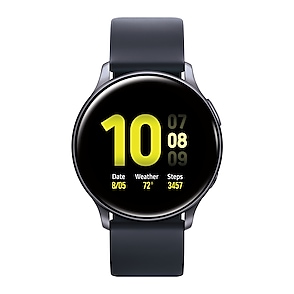
Galaxy Watch Active 2 battery and repair concerns
Battery aging is often a bigger problem than missing software updates.
Lithium-ion batteries lose capacity over time. After years of daily charging, the Active 2 may drain much faster than it did when new. GPS workouts, LTE use, high screen brightness, and continuous heart rate tracking can make the problem worse.
Warning signs include:
• The battery falls sharply during the day.
• The watch shuts down at 20% or 30%.
• The back becomes unusually warm.
• The watch restarts without warning.
• Charging takes much longer than before.
• The battery swells or pushes against the case.
Stop using a watch with a swollen battery. Do not press the case closed or attempt a home repair. Battery replacement can also be difficult because smartwatch seals may be damaged during repair.
In many cases, an official repair is not cost-effective for an older Active 2. Compare the repair price with the cost of a newer Galaxy Watch before making a decision.
Should you buy a used Galaxy Watch Active 2?
Usually, only if the price is very low and you understand its limits.
A used Active 2 can work as an inexpensive step counter or notification watch. It may suit a child, a casual user, or someone who wants to test Samsung’s smartwatch design without spending much.
Before buying one, inspect:
• The exact model and size
• Bluetooth or LTE connectivity
• Battery life
• Screen burn-in or scratches
• Touch bezel response
• Charging behavior
• Heart rate sensor operation
• Water damage signs
• Whether it can be removed from the previous owner’s account
• Whether the charger is included
Avoid paying a premium for features that are no longer growing. A newer entry-level smartwatch may offer better app support, stronger security, and easier phone pairing.
Also remember that water resistance is not permanent. Seals can weaken with age, heat, drops, and repairs. Do not assume an old Active 2 is safe for swimming just because it had a water-resistance rating when new.
Galaxy Watch Active 2 versus newer Galaxy Watches
The biggest upgrade is not only speed. It is the software platform.
Newer Galaxy Watches offer Wear OS, access to more apps, and a more active update path. They may also provide better sensors, faster processors, improved GPS, longer support, and more advanced health tools.
The Active 2 still has a few practical advantages:
• It is light and comfortable.
• Its design is simple.
• Used prices can be low.
• Battery life may be adequate for basic use.
• The touch bezel feels natural to many users.
Newer models are better for:
• Google apps
• Modern watch faces
• Contactless payments
• Long-term phone compatibility
• Updated health features
• More reliable software support
If you already own the Active 2, there is no need to replace it solely because a newer model exists. But if you are shopping today, a supported Wear OS model is usually the wiser long-term choice.