A wide shoe size is a shoe with extra room across the forefoot, toe box, and sometimes the entire upper.
Knowing what is a wide shoe size can make walking more comfortable and help prevent blisters, numb toes, and sore feet. Width labels can differ by brand, gender, and shoe type, so this guide explains how wide sizing works, how to measure your feet, and how to choose the right fit with confidence.
What Is a Wide Shoe Size?
A wide shoe size has more space from one side of the shoe to the other than a standard-width shoe of the same length. This extra room is often found around the ball of the foot, the toes, and the widest part of the forefoot.
For example, a women’s size 8 wide is usually the same length as a women’s size 8 medium. The key difference is the width. A wide shoe size does not usually mean you need a longer shoe.
Shoe width is shown with letters. The most common US width labels include:
• Narrow: AAA, AA, or N
• Medium or standard: B for women and D for men
• Wide: D for women and 2E for men
• Extra wide: 2E or 4E for women and 4E or 6E for men
These labels are not perfectly consistent. One brand’s wide shoe may feel like another brand’s standard shoe. That is why fit matters more than the letter alone.

How Shoe Width Sizes Work
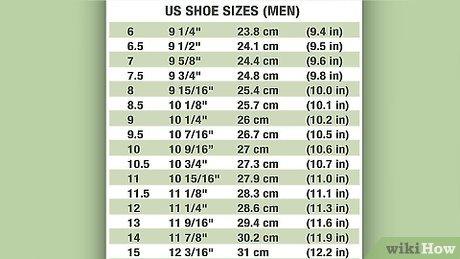
Shoe sizing has two main parts: length and width. Length is shown by a number, such as 9 or 10. Width is shown by a letter or group of letters, such as D, 2E, or 4E.
In many US shoe charts, women’s medium width is B. Men’s medium width is D. This can feel confusing because the same letter may mean a different width based on the shoe’s size category.
Here is a simple example:
• Women’s size 8B: standard width
• Women’s size 8D: wide width
• Men’s size 10D: standard width
• Men’s size 10 2E: wide width
• Men’s size 10 4E: extra-wide width
A wide shoe size may also have a deeper toe box. This matters for people with broad toes, bunions, swelling, hammertoes, or high-volume feet. However, some wide shoes only add width in the front, while others add room through the heel and midfoot too.
Manufacturers use their own shoe lasts, materials, and fitting rules. As a result, a wide shoe size is a helpful starting point, not a universal guarantee.
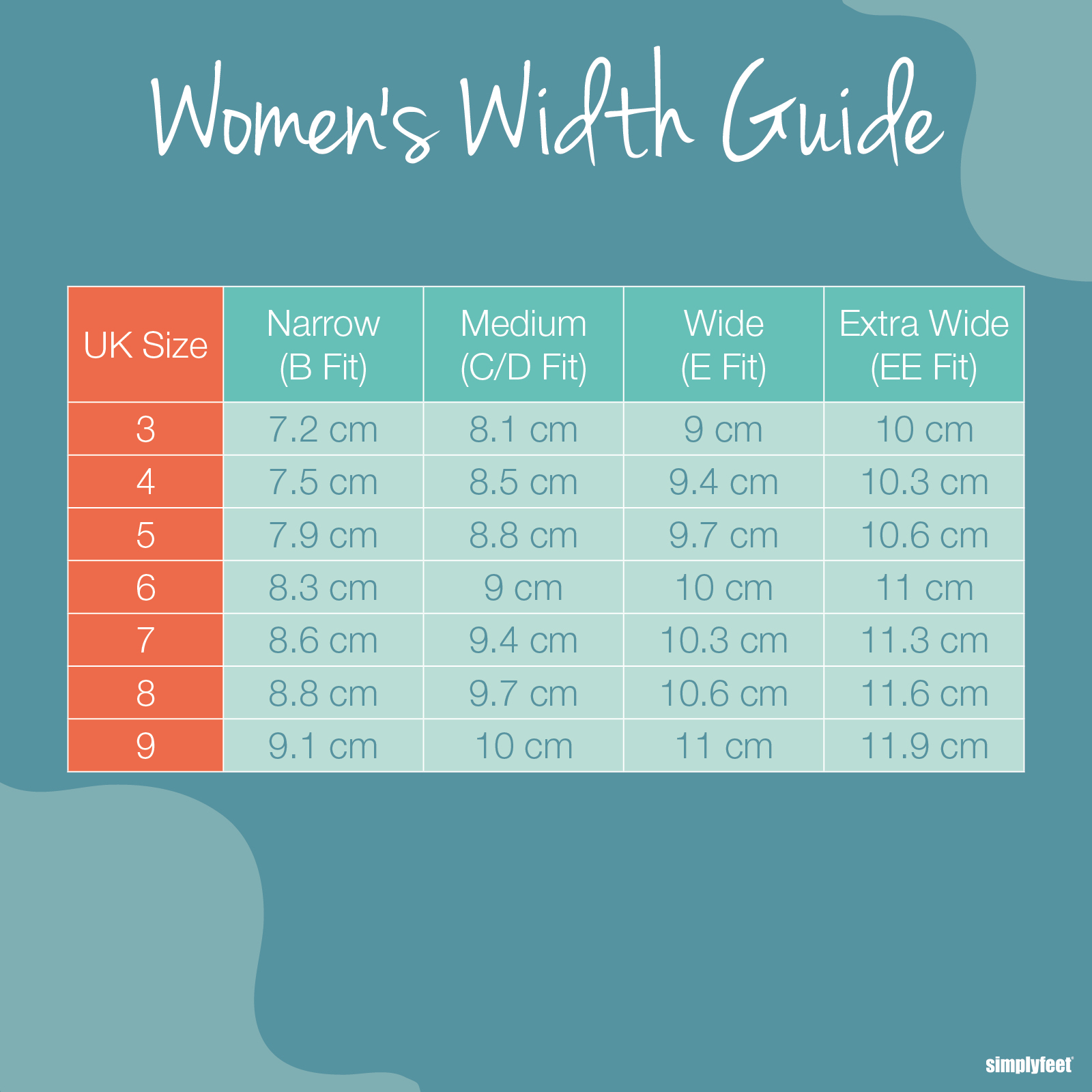
Wide Shoe Size Charts for Men and Women
The chart below shows common US width labels. It is a general guide, not a fixed rule for every brand.
| Width category | Women’s common label | Men’s common label |
|---|---|---|
| Extra narrow | AAA or AA | B or A |
| Narrow | AA or N | C or B |
| Medium | B or M | D or M |
| Wide | D or W | 2E or EE |
| Extra wide | 2E or 4E | 4E or 6E |
| Very extra wide | 4E or 6E | 6E or 8E |
Some brands use words instead of letters. You may see labels such as W, Wide, XW, Extra Wide, EE, or 4E.
Always check the brand’s own size chart. A women’s D width often means wide, while a men’s D width often means medium. This is one of the most common sources of confusion when shopping for a wide shoe size.

What Does Wide Mean in Women’s Shoes?
In women’s shoes, B is usually the standard or medium width. A D width is often considered wide, while 2E or 4E may be labeled extra wide.
A women’s wide shoe size may help if:
• Your toes feel squeezed from the sides
• Your little toe rubs against the shoe
• You have a bunion or a broad forefoot
• Your feet swell during the day
• The shoe upper feels tight even when the length is correct
Women’s footwear can be especially difficult because many dress shoes have pointed toes or narrow shapes. A shoe may have the correct length but still place pressure on the forefoot.
In my experience helping people compare shoe fits, many women first choose a longer size when the real issue is width. That often causes the heel to slip and the foot to move forward. Choosing a wide shoe size is usually safer than adding extra length when the toes are already near the front.
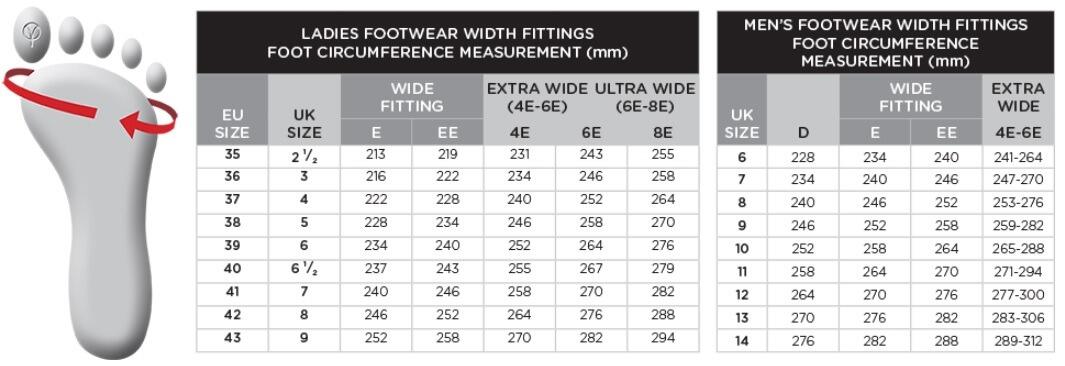
What Does Wide Mean in Men’s Shoes?
In men’s shoes, D is commonly the standard or medium width. A 2E or EE width is usually wide, and 4E is often extra wide.
A men’s wide shoe size may be useful for people with:
• A broad ball of the foot
• High arches or a high-volume foot
• Swollen feet
• Thick socks or orthotic inserts
• Pressure along the outside edge of the foot
Men’s athletic shoes often provide more width options than men’s dress shoes. Running shoes, work shoes, and walking shoes may be available in 2E, 4E, or even 6E.
Remember that a wider shoe is not always better. If the shoe is too wide, your foot may slide inside it. This can lead to friction, blisters, poor balance, and less support.
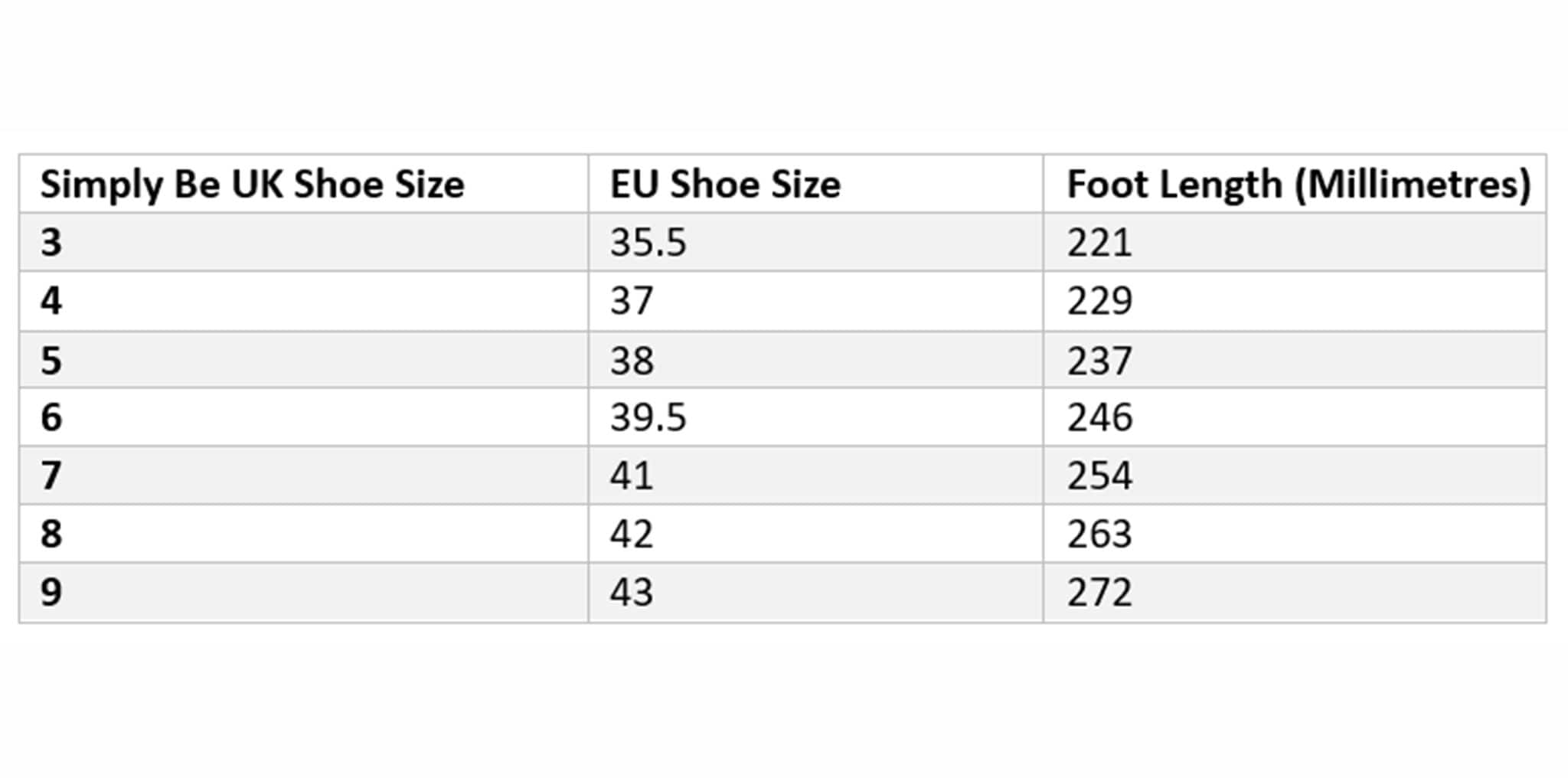
How to Tell If You Need Wide Shoes
Your feet may need a wide shoe size if the shoe fits in length but feels tight across the front. Look for signs during and after wear.
Common signs include:
• Red marks along the sides of your feet
• Blisters on the little toe or bunion area
• Numbness or tingling in the toes
• Toes that overlap or feel crowded
• A feeling that your foot is spilling over the sole
• Shoes that stretch or split at the sides
• Pain that improves when you remove your shoes
A quick fit check can help. Stand in the shoes with your usual socks. Make sure your toes can move freely and that the widest part of your foot sits over the widest part of the sole.
Your heel should remain secure when you walk. If your toes have room but your heel lifts with each step, the shoe may be too wide or poorly shaped for your foot.
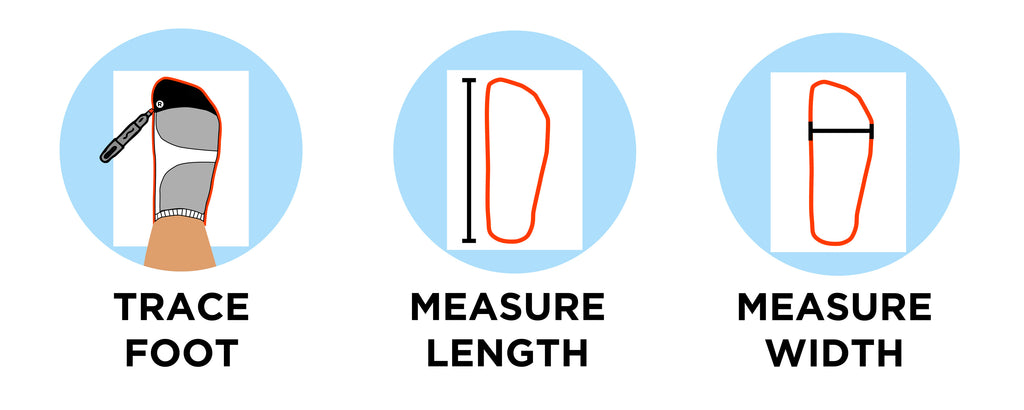
How to Measure Your Foot Width at Home
You can measure foot width at home with paper, a pen, a ruler, and the socks you normally wear. Measure both feet because one foot is often slightly larger than the other.
Follow these steps:
- Place a sheet of paper on a hard floor.
- Wear the socks you plan to use with the shoes.
- Stand on the paper with your full weight on the foot.
- Trace around the foot, keeping the pen straight up.
- Measure the widest part of the outline.
- Repeat the process for the other foot.
- Compare the larger measurement with the brand’s width chart.
Measure your feet later in the day. Feet often expand after standing, walking, or sitting for several hours. Measuring only in the morning may lead you to choose shoes that feel tight by evening.