Normal shoe width is medium: usually B for women and D for men in U.S. shoe sizes.
Knowing what is normal shoe width helps you choose shoes that support your feet without squeezing them. Still, “normal” is only a starting point. Shoe width systems vary by brand, shoe type, foot shape, and country, so a careful fit matters more than the letter on the box. This guide explains width letters, how to measure your feet, common fit problems, and when to choose a wide or narrow shoe.
What Is Normal Shoe Width?
In the United States, normal shoe width usually means a medium or standard width. The letter depends on whether the shoe is made for women or men.
| Shoe category | Standard U.S. width |
|---|---|
| Women’s shoes | B |
| Men’s shoes | D |
| Children’s shoes | M, or medium |
Some brands use words instead of letters. For example, “medium,” “standard,” and “regular” often describe normal shoe width.
However, normal shoe width is not the same as an average foot width for every person. A person may have a narrow heel and a wide forefoot. Another person may have a broad foot but need a regular shoe with a roomy toe box.
The best shoe should feel secure at the heel, comfortable across the widest part of the foot, and roomy around the toes. Your toes should not touch the front or press against each other.
Shoe Width Letters Explained
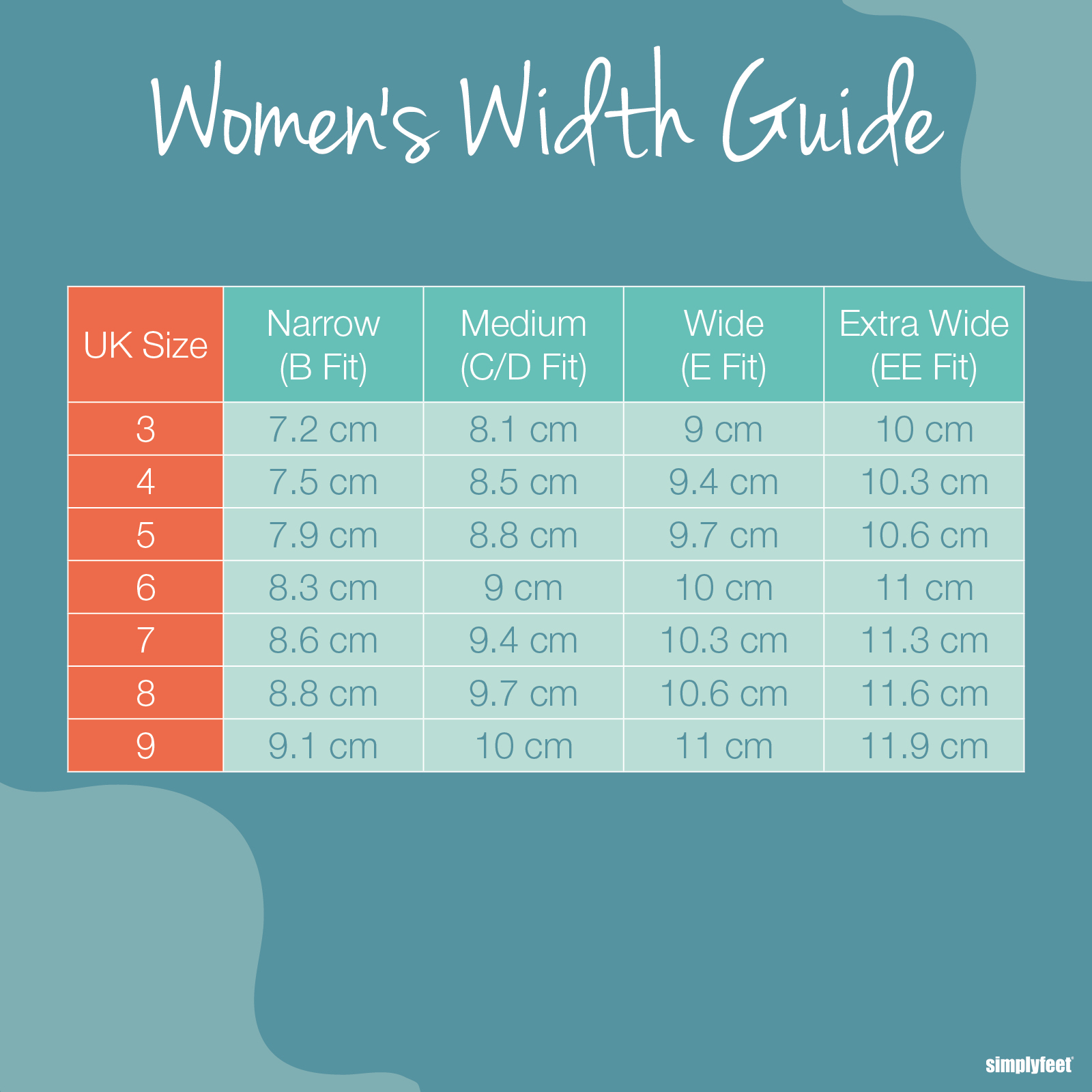
Shoe width letters show how broad or narrow a shoe is. The exact meaning can change by brand and by gender, so use the chart as a general guide.
Women’s shoe width chart
| Width label | Common meaning |
|---|---|
| AAA, AA | Extra narrow or narrow |
| A | Narrow |
| B | Medium or normal |
| C | Wide in some brands |
| D | Wide |
| EE or EEE | Extra wide |
Men’s shoe width chart
| Width label | Common meaning |
|---|---|
| B | Narrow |
| C | Narrow to medium |
| D | Medium or normal |
| E | Wide |
| EE or 2E | Extra wide |
| 4E | Extra extra wide |
The confusing part is that the same letter can mean different things in women’s and men’s shoes. A women’s B is generally medium, while a men’s B is often narrow.
Some companies use numbers, such as 2E or 4E. Others use terms such as narrow, medium, wide, and extra wide. Always check the brand’s own sizing chart before ordering.
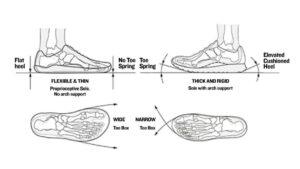
Width also affects the whole shape of a shoe. A wide shoe may have more room in the forefoot, heel, or both. It is not always a simple increase in side-to-side space.

How to Measure Your Shoe Width at Home
You can measure your foot width at home with paper, a pencil, and a ruler. Measure both feet because one foot is often slightly larger than the other.
Follow these steps:
- Place a sheet of paper on a hard floor.
- Wear the socks you normally plan to wear with the shoes.
- Stand with one foot on the paper and keep your weight on it.
- Trace around the foot without holding the pencil at an angle.
- Mark the widest points near the ball of the foot.
- Measure the distance between those points.
- Repeat the process for the other foot.
- Compare the larger measurement with the shoe brand’s width chart.
Measure later in the day if possible. Feet often swell after walking, standing, or exercise. Measuring only in the morning can lead to shoes that feel tight at night.
Do not pull your foot inward while tracing it. Your foot should carry normal body weight, like it does during a walk. This gives a more useful measurement than tracing a relaxed foot while sitting.
A professional shoe store may use a Brannock Device. This tool measures length, width, and the position of the heel and ball of the foot. It can improve accuracy, but the final test is still how the shoe feels when you walk.

How Should Normal Shoe Width Feel?
A properly fitting shoe should feel comfortable from the first wear. Shoes may soften slightly, but they should not need a painful “break-in” period.
Use these fit checks:
• Your toes should lie flat and move freely.
• The widest part of your foot should match the widest part of the shoe.
• Your heel should stay mostly in place without strong rubbing.
• The upper should not press hard across the ball of your foot.
• You should have about half an inch of space between your longest toe and the shoe’s end.
• The shoe should bend near the ball of your foot, not in the middle.
Try both shoes and walk on a firm surface. Many people have one foot that is longer or wider. Fit the larger foot, and consider an insole or heel adjustment if the smaller foot needs extra support.
A simple test is to remove the shoe’s insole, place it on the floor, and stand on it. If your foot spills over the edges, the shoe may be too narrow. This test does not replace walking in the shoe, but it can reveal a poor match quickly.
Signs Your Shoes Are Too Narrow
Shoes that are too narrow can cause discomfort during normal walking. They may also increase pressure on areas that already feel sensitive.
Common signs include:
• Toes rubbing against each other
• Red marks along the sides of the foot
• Numbness or tingling
• Burning near the ball of the foot
• Blisters on the little toe or heel
• A feeling that the foot is spilling over the sole
• Pain that gets worse during the day
A tight shoe can also make existing foot problems feel worse. People with bunions, hammertoes, swelling, arthritis, or diabetes may need extra care when choosing width.
Do not assume that going up in length will fix a width problem. A longer shoe may give you more space in front, but it can also cause heel slipping and poor control. The better solution is often a wider width in the correct length.