Yes, most REEF sandals can get wet, but water exposure may affect materials, comfort, and long-term durability.
Wondering can REEF sandals get wet before a beach trip, pool day, or sudden rainstorm? The answer depends on the sandal’s materials, construction, and care label. Most rubber, EVA, and synthetic REEF styles handle light water well, while leather and suede versions need more care. This guide explains what happens when REEF sandals get wet, how to dry them safely, and when water exposure may cause damage.
Can REEF sandals get wet?
Yes, REEF sandals can get wet. Many popular styles use rubber, EVA foam, synthetic straps, or water-friendly materials made for warm weather and casual outdoor use.
However, “can get wet” does not always mean “fully waterproof.” A sandal may survive rain or a walk by the pool but still suffer from odor, color changes, stretched straps, or weakened glue after repeated soaking.
The safest answer is this: check the care label for your exact model. REEF makes many types of sandals, and a leather sandal needs different care than a rubber or EVA pair.

What happens when REEF sandals get wet?
The result depends on the sandal’s materials. Water affects each part in a different way.
Rubber and EVA footbeds
Rubber and EVA are common in water-friendly sandals. They do not absorb much water, so they usually dry fast and keep their shape after light exposure.
EVA is a light foam often used in athletic slides and beach sandals. It may become slippery when wet, but water alone usually does not ruin it.
Synthetic straps
Synthetic webbing and man-made straps often tolerate rain, splashes, and brief contact with water. Still, dirt, salt, and chlorine can collect in the fibers.
If the straps stay damp for too long, they may develop a musty smell. Rinsing and air drying can help prevent this problem.
Leather uppers
Leather can get wet, but repeated soaking is risky. Water may cause leather to darken, stiffen, crack, or lose its natural finish.
Leather also needs slow drying. Direct heat can pull moisture from the material and make it brittle.
Suede and nubuck
Suede and nubuck are more sensitive than smooth leather. Water can leave dark spots, rings, or a rough texture.
A small splash may not cause lasting harm, but a full soak can be difficult to reverse. These styles are best kept away from pools, ocean water, and heavy rain.
Glues and footbed layers
Water may reach the glue that joins the upper, footbed, and sole. One brief splash is rarely a concern, but repeated soaking can weaken those bonds over time.
This is one reason a sandal can look fine after getting wet but start separating weeks later.

Are REEF sandals waterproof or water-resistant?
Most REEF sandals should be viewed as water-resistant rather than completely waterproof. Water-resistant footwear can handle some moisture, but it is not designed to stay submerged for long periods.
A waterproof product normally has sealed seams, water-blocking materials, or a specific waterproof design. Many casual sandals do not have those features because they focus on comfort, airflow, and flexible movement.
When asking can REEF sandals get wet, consider the type and amount of water:
• Light rain is usually low risk for rubber and synthetic sandals.
• A short splash at the pool is usually manageable.
• Ocean water can leave salt behind and may require rinsing.
• Chlorinated pool water can dry or fade some materials.
• Full submersion may damage leather, suede, padding, or adhesives.
• Daily wet use can shorten the life of almost any sandal.
A product page may use terms such as “water-friendly,” “beach-ready,” or “quick-drying.” These terms are useful, but they do not always mean the sandal is waterproof. Always follow the instructions for the exact model.
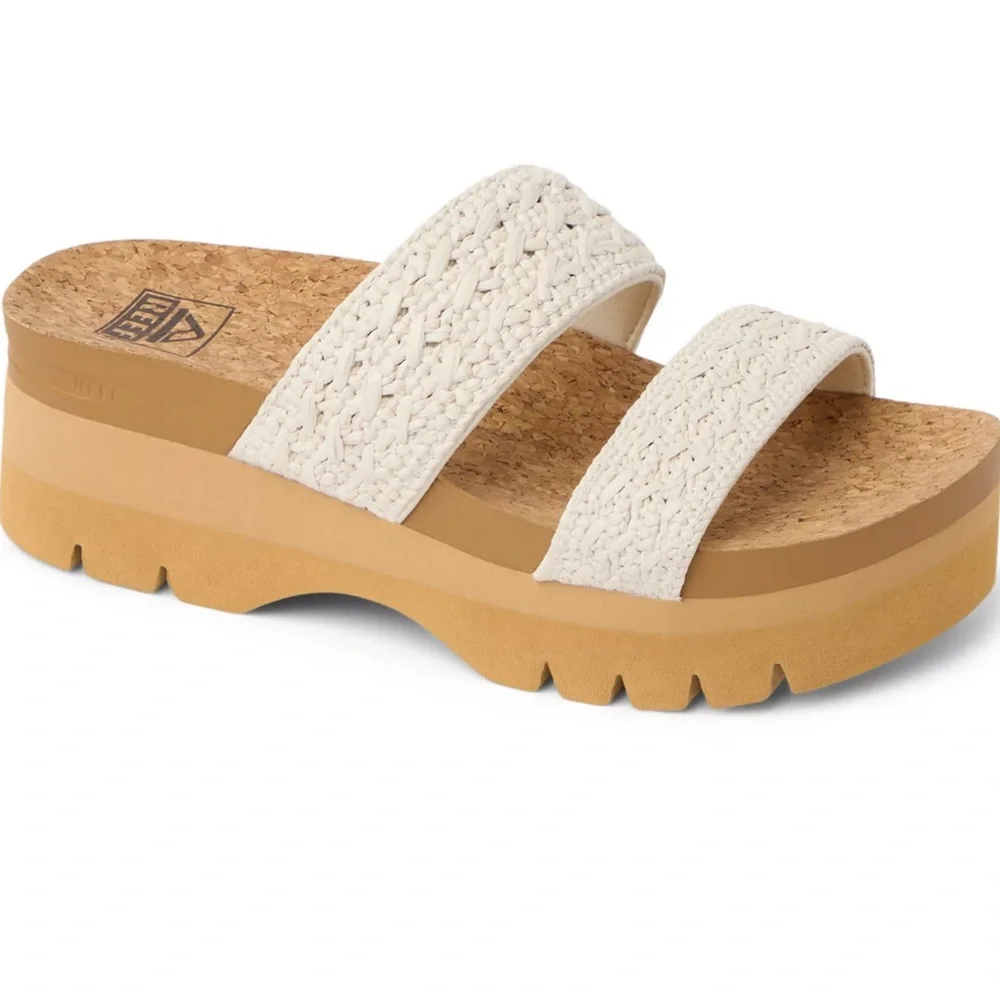
Which REEF sandals handle water best?
Some REEF sandals are better suited to water than others. Materials are the best clue.
Better choices for wet conditions
Look for sandals made with:
• Rubber outsoles
• EVA foam
• Synthetic straps
• Quick-drying webbing
• Molded footbeds
• Nonabsorbent or water-friendly materials
These styles are often suitable for beach walks, boat decks, pool areas, and light rain. They may still become slippery, so walk with care on wet tile or smooth rocks.
Styles that need more protection
Use extra care with:
• Smooth leather