Most 6-month-olds wear U.S. infant shoe size 2 or 3, but foot length matters most.
Choosing the right shoe for a baby can feel harder than it should. Babies grow at different rates, and shoe sizes vary by brand. This guide explains what size shoe a 6 month old usually wears, how to measure tiny feet, when shoes are useful, and how to avoid a poor fit.
What Size Shoe Does a 6 Month Old Usually Wear?
The typical answer to “what size shoe 6 month old” is U.S. infant size 2 or 3. Some babies may fit size 1, while others may need size 4. Age gives you a starting point, but it does not give you an exact size.
Most 6-month-old babies have feet about 4.25 to 4.75 inches long. That range often matches these sizes:
| U.S. infant size | Approximate foot length |
|---|---|
| Size 1 | 3.75 to 4.25 inches |
| Size 2 | 4.25 to 4.50 inches |
| Size 3 | 4.50 to 4.75 inches |
| Size 4 | 4.75 to 5.00 inches |
These measurements are general. A size 3 from one brand may fit like a size 2 from another. Always check the brand’s own size chart before buying.
A 6-month-old usually does not need structured walking shoes. At this age, babies often sit, roll, crawl, or begin pulling up. Bare feet help babies feel the floor and build natural foot movement. Soft socks, booties, or flexible crib shoes are often enough.
How to Measure a 6 Month Old’s Feet
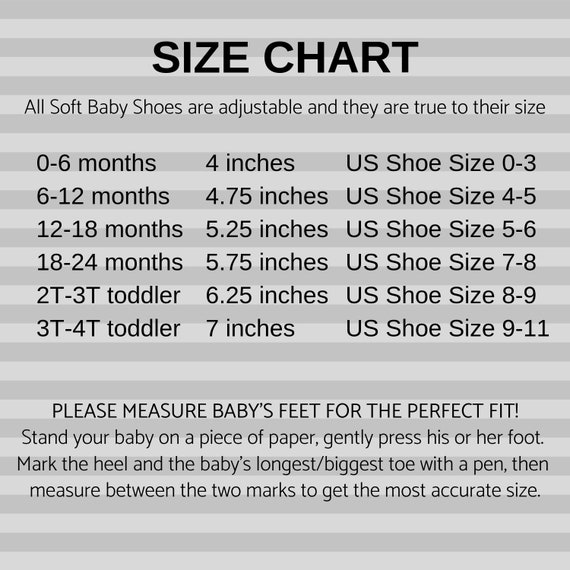
Measuring your baby’s feet is the most reliable way to answer “what size shoe 6 month old.” It takes only a few minutes and can prevent tight shoes, wasted money, and unhappy feet.
Use these simple steps:
- Place a sheet of paper on a hard floor.
- Put your baby in a standing position if possible. If your baby cannot stand, gently press the foot flat while the baby is seated.
- Trace around the foot with a pencil held straight up.
- Measure from the back of the heel to the tip of the longest toe.
- Measure both feet.
- Use the larger foot when choosing a size.
- Add about 0.25 to 0.5 inches of growing room.
Many babies have one foot that is slightly larger than the other. This is normal. The larger foot should guide your shoe choice.
Try to measure later in the day if your baby is calm. Feet can swell slightly during the day, just as adult feet can. A thick sock can also change the fit, so measure with the type of sock your baby will wear.
A Simple Paper Method
If your baby will not stand, do not force the issue. Lay the baby down or hold the foot gently against the paper. Keep the toes relaxed and avoid pressing hard on the top of the foot.
A flexible measuring tape can also work. Measure the foot in inches, then compare the result with the shoe brand’s chart. Do not rely on age alone when deciding what size shoe 6 month old needs.
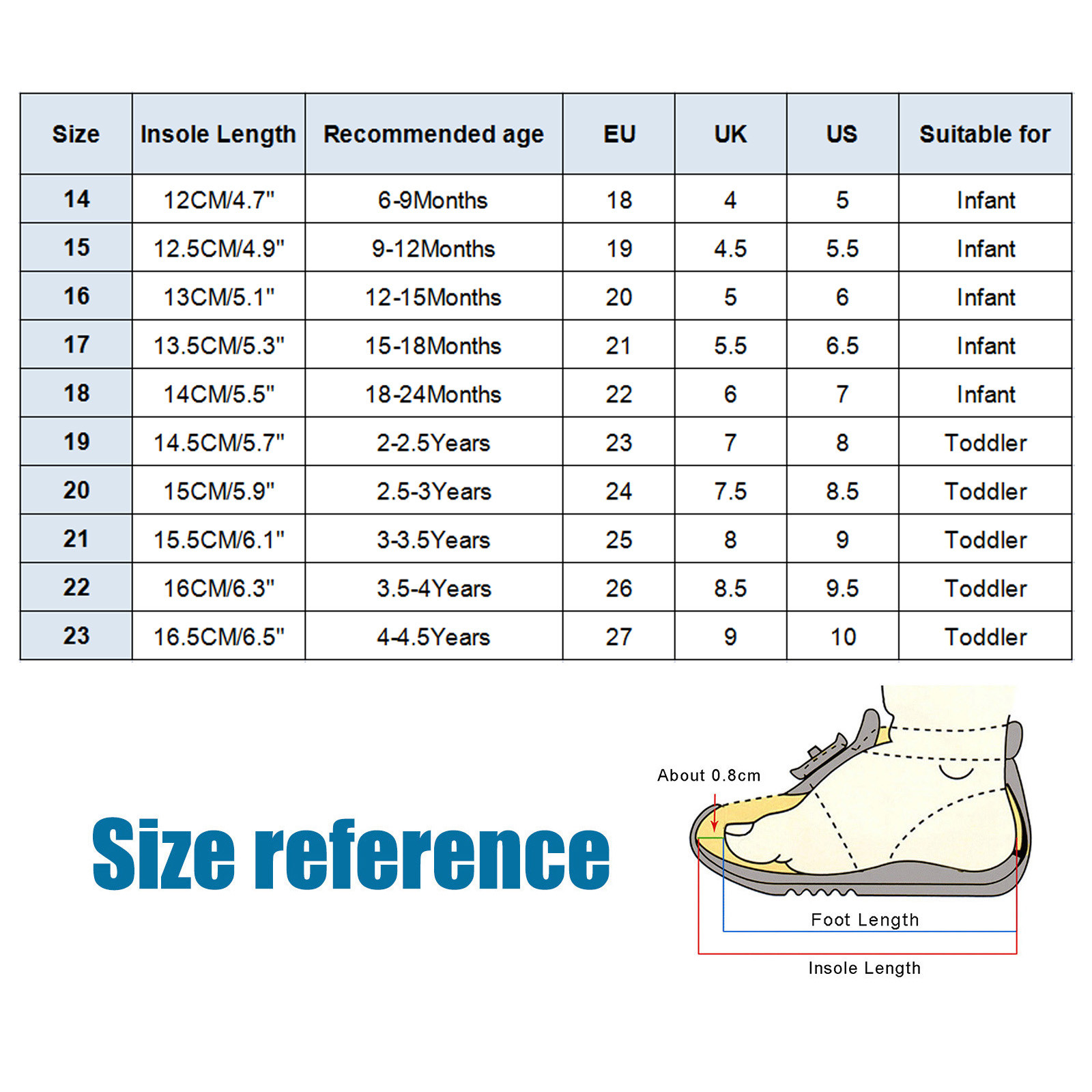
Baby Shoe Size Chart by Age
Parents often search for a baby shoe size by age chart. These charts can help with early shopping, but they are only estimates. Foot shape, growth rate, and brand sizing can change the result.
| Baby age | Common U.S. size | Approximate foot length |
|---|---|---|
| Newborn to 3 months | 0 to 1 | 3.25 to 4.25 inches |
| 3 to 6 months | 1 to 2 | 4.00 to 4.50 inches |
| 6 to 9 months | 2 to 3 | 4.25 to 4.75 inches |
| 9 to 12 months | 3 to 4 | 4.50 to 5.00 inches |
| 12 to 18 months | 4 to 5 | 4.75 to 5.25 inches |
So, what size shoe 6 month old babies wear most often is size 2 or 3. Still, a baby at the same age may need a different size because babies do not grow on a fixed schedule.
European and United Kingdom sizes use different numbers. A U.S. infant size 2 may not equal a U.K. size 2 or a European size 2. Confirm the country system before ordering online.
Why Age Charts Can Be Wrong
Age charts are based on average growth. They cannot account for wide feet, high arches, long toes, or a large instep. They also do not show how much space a specific brand leaves inside the shoe.
In my experience helping parents compare baby footwear, the most common mistake is buying a shoe labeled “6 months” without checking the inside length. The label may suggest the right age, yet the shoe can still be too short or too narrow.

What Features Should a 6 Month Old’s Shoes Have?
The best shoes for a 6-month-old should protect the feet without restricting movement. Think of them as a soft blanket for the feet, not as tiny adult shoes.
Look for these features:
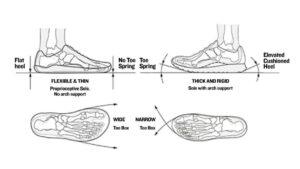
• A flexible sole that bends easily near the toes
• A wide toe box that lets the toes spread
• Soft, breathable materials such as cotton, mesh, or soft leather
• A secure closure, such as a wide strap or gentle hook-and-loop fastener
• A lightweight design
• Smooth seams that do not rub the skin
• Enough room for the toes to move
Avoid stiff soles, pointed toes, hard plastic, and heavy shoes. These features can make movement harder and may cause pressure points.
For indoor use, bare feet are often best when the room is warm and safe. Socks with grips can help on smooth floors. Soft booties can keep feet warm outdoors, but they should not squeeze the toes or leave marks around the ankle.
Prewalker Shoes Versus Walking Shoes
Prewalker shoes are soft shoes made for babies who are not yet walking. They may protect the feet from cold ground, rough surfaces, or light outdoor contact.
Walking shoes are more supportive and durable. They become useful when a baby walks often outside. A baby who is only standing or cruising around furniture usually does not need stiff walking shoes yet.
Pediatric foot experts generally recommend allowing early walkers to go barefoot in safe spaces. This helps babies feel the ground and practice balance. Shoes should mainly protect the feet from heat, cold, sharp objects, and rough surfaces.
How Much Growing Room Should Baby Shoes Have?
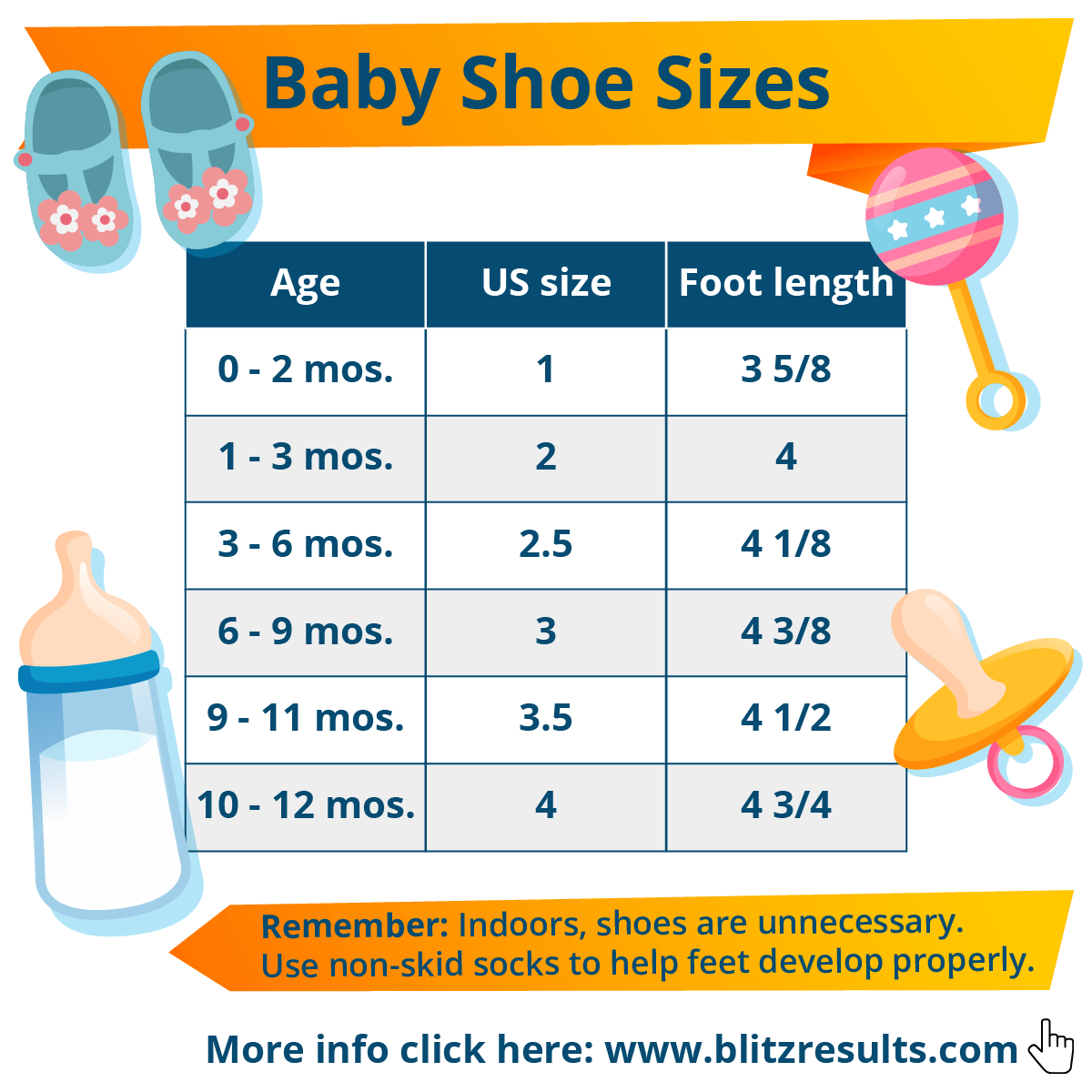
A baby shoe should have a small amount of extra room, but too much space can be unsafe. For most babies, about 0.25 to 0.5 inches of room in front of the longest toe is enough.
To check the fit:
- Remove the insole if it comes out.
- Place your baby’s foot on the insole.
- Check the space between the longest toe and the front edge.
- Look for extra pressure across the top and sides.
- Check the heel to make sure it does not slip out.
A shoe that is too small may leave red marks, bent toes, blisters, or irritated skin. A shoe that is too large may slide off, cause trips, or make crawling and standing harder.
Do not buy several pairs in a much larger size just because your baby is growing quickly. Baby feet can change size fast, but an oversized shoe is not a good solution. Buy one comfortable pair and check the fit often.