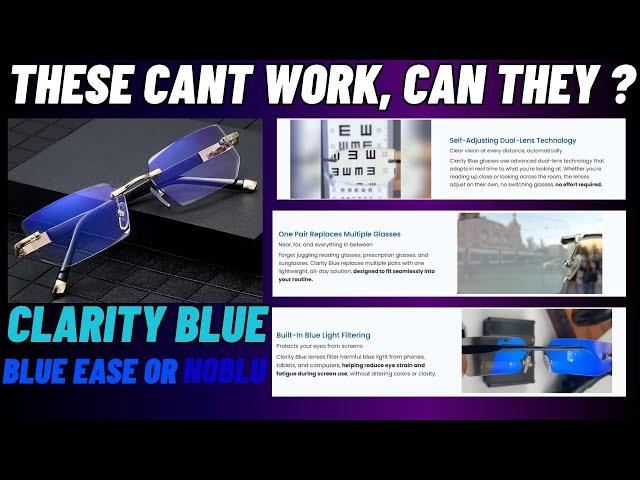
Clarity blue glasses may reduce glare for some users, but evidence does not prove they prevent eye strain or eye disease.
Are Clarity blue glasses any good? The honest answer depends on what you expect from them. If you want a stylish pair of glasses that may soften screen glare or feel more comfortable at night, they could be worth trying. If you expect them to protect your eyes from permanent screen damage, the evidence does not support that claim.
This guide looks at lens filters, comfort, sleep, prescription needs, coatings, price, and common marketing claims. It also explains how to decide whether Clarity blue glasses fit your daily routine without wasting money.

What are Clarity blue glasses?
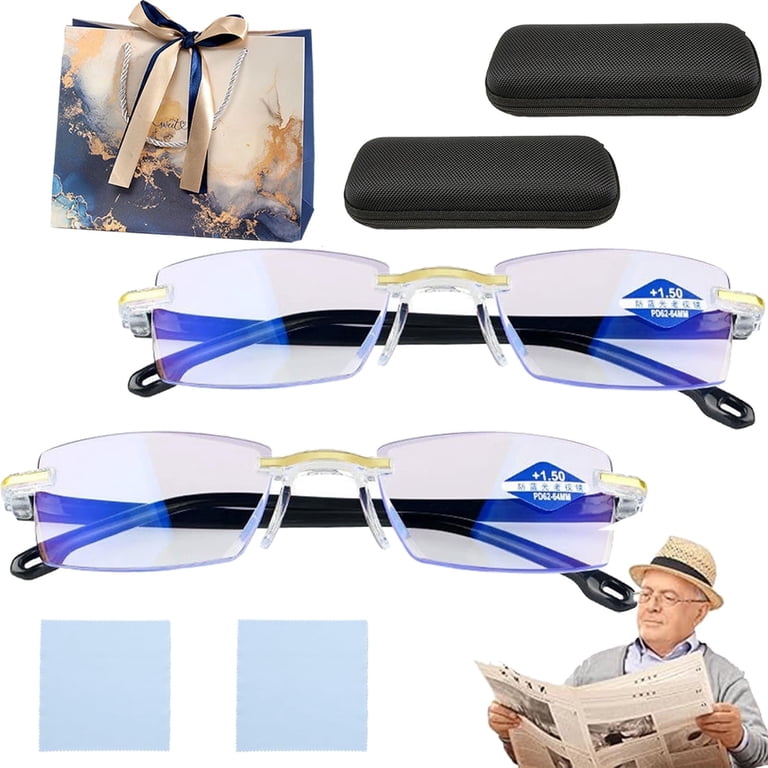
Clarity blue glasses are eyewear designed to filter some blue-violet light from digital screens, LED bulbs, and other light sources. They may be sold as nonprescription glasses or made with prescription lenses. The exact level of filtering depends on the lens material, tint, and product design.
The word “Clarity” may refer to a brand, a product line, or a general name used by a seller. Because products can differ, check the label for the filter percentage, lens coating, UV rating, and return policy before buying.
Blue light is not automatically harmful. It is part of natural daylight and helps control alertness and the body’s sleep-wake rhythm. The concern with screens is usually long periods of close-up work, bright light at night, glare, and reduced blinking rather than blue light alone.
What do blue-light lenses actually do?
Most blue-light lenses work in one of two ways:
• A clear coating filters a small amount of blue-violet light without changing color much.
• A yellow, amber, or orange tint blocks more blue light but can change how colors look.
A stronger filter is not always better. A heavy tint may help some people at night, but it can make color matching harder for designers, photographers, gamers, and anyone who needs accurate color.

Are Clarity blue glasses any good for computer eye strain?
Clarity blue glasses may feel comfortable, but they are not a proven cure for digital eye strain. Digital eye strain often comes from focusing up close, glare, poor lighting, dry eyes, an incorrect prescription, or sitting too close to a screen.
A major review of randomized trials found that blue-light filtering lenses may make little or no difference to short-term computer eye strain compared with regular lenses. The research also found no strong proof that these lenses protect the retina from screen use.
That does not mean every user will feel no benefit. A lens coating can reduce reflections. A light tint may make a screen feel softer. These effects can improve comfort for some people, even when the blue-light filter itself is not the main reason.
Why your eyes may feel better with them
Comfort can improve when:
• The lenses reduce distracting reflections.
• The frame fits well and does not press on your nose or ears.
• You already prefer a warmer screen image.
• The glasses remind you to take screen breaks.
• The glasses include an accurate prescription.
The key lesson is simple: feeling better while wearing Clarity blue glasses does not prove that blue light was damaging your eyes. It may show that the glasses improve glare, focus, fit, or visual comfort.
Can Clarity blue glasses help with sleep?
Possibly, but the evidence is mixed. Bright light in the evening can delay the release of melatonin and make it harder for some people to feel sleepy. Blue-rich light has a stronger effect on the body clock than many warmer light sources.
A strong amber lens worn before bed may reduce some short-wavelength light. However, clear blue-light glasses may block too little light to produce a meaningful sleep effect. Results also vary based on screen brightness, viewing time, room lighting, sleep habits, and personal sensitivity.
If sleep is your main goal, start with habits that have stronger support:
• Dim room lights one to two hours before bed.
• Use night mode on your phone or tablet.
• Keep screens out of bed when possible.
• Follow a steady sleep schedule.
• Avoid caffeine late in the day.
• Choose amber lenses only if you are comfortable with the color change.
Clarity blue glasses might be one small part of an evening routine. They should not replace good sleep habits or medical care for ongoing insomnia.

What the research says about blue-light glasses
Current research does not support the idea that ordinary screen use causes eye damage that blue-light glasses can prevent. The American Academy of Ophthalmology has stated that there is no scientific evidence that computer-screen light damages the eyes and does not recommend special eyewear for routine computer use.
A Cochrane review of clinical trials also reported little or no short-term benefit from blue-light filtering lenses for computer-related eye strain. The review noted that evidence about sleep and long-term outcomes remains limited and uncertain.
This matters because product advertisements can sound stronger than the research. Claims such as “protects your retina,” “prevents macular degeneration,” or “blocks harmful blue light” need careful interpretation. A lens may block a portion of blue light without proving protection from disease.
What experts usually recommend first
Eye-care professionals commonly suggest:
• Taking regular distance breaks.
• Blinking often and treating dry eye symptoms.
• Adjusting screen brightness to match the room.
• Reducing glare from windows and overhead lights.
• Keeping the screen about an arm’s length away.
• Checking that your glasses prescription is current.
• Seeking an eye exam when symptoms continue.
These steps often address the real cause of discomfort more directly than a blue-light filter.
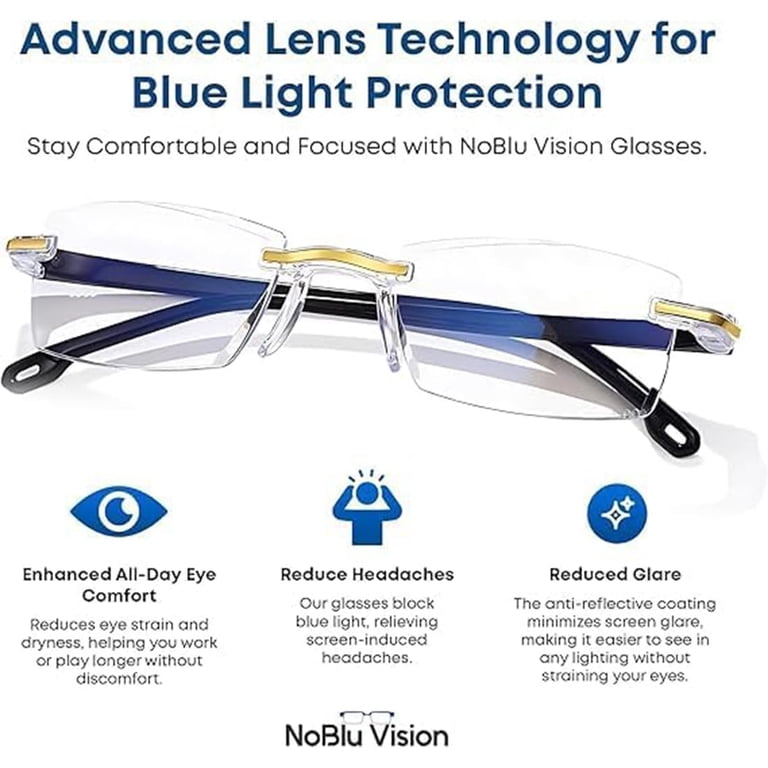
Benefits and drawbacks of Clarity blue glasses
Like most eyewear, Clarity blue glasses have possible advantages and limits. Your experience may depend more on the lens quality and your habits than on the blue-light label.
Potential benefits
• They may reduce reflections from screens and overhead lights.
• They can be comfortable for people who prefer a warmer image.
• Amber lenses may help reduce evening light exposure.
• Nonprescription frames can be inexpensive and easy to try.
• Prescription versions can combine vision correction with a filter.
• They may encourage better screen habits.
Possible drawbacks
• They may not reduce digital eye strain more than clear lenses.
• Strong tints can distort color.
• Clear filters may block only a small amount of blue light.
• Some products make broad health claims without strong evidence.
• Cheap coatings may scratch, peel, or create unwanted reflections.
• Wearing nonprescription glasses can cause discomfort if you need vision correction.
• Blue-light glasses may give a false sense of security.
In my experience assessing eyewear claims, the biggest mistake is treating “blue-light blocking” as one standard feature. Two glasses can use the same label while filtering very different parts of the light spectrum.

How to choose good Clarity blue glasses
If you are considering Clarity blue glasses, focus on measurable features instead of promises.
1. Check the filter details
Look for the wavelength range and percentage of light filtered. A clear lens that filters a narrow band is not the same as an orange lens that blocks more short-wavelength light.
If a listing only says “blocks harmful blue light” but gives no test data, be cautious. Clear product details make comparison easier.
2. Choose the right lens color
Clear or nearly clear lenses are better for daytime use and color accuracy. Yellow lenses may offer a stronger visual change. Amber lenses are more suitable for people who want to limit blue-rich light before sleep.
Do not choose the darkest tint simply because it sounds more protective. It may be harder to use for work and may not improve your symptoms.
3. Look for quality coatings
A good lens may include:
• Anti-reflective coating.
• Scratch-resistant coating.
• UV protection for outdoor use.
• A durable frame.
• A clear warranty and return policy.
UV protection is separate from blue-light filtering. If you need sunglasses, buy eyewear labeled for full UVA and UVB protection.