Do blue light block glasses work? They may reduce some light, but strong evidence shows limited benefits for eye strain.
The answer to “do blue light block glasses work” depends on what you expect them to do. They can change the light that reaches your eyes, but they do not fix every cause of screen discomfort or protect your eyes from proven screen damage. This guide explains what the research says, when these glasses may help, and what works better for tired eyes and poor sleep.
What are blue light blocking glasses?
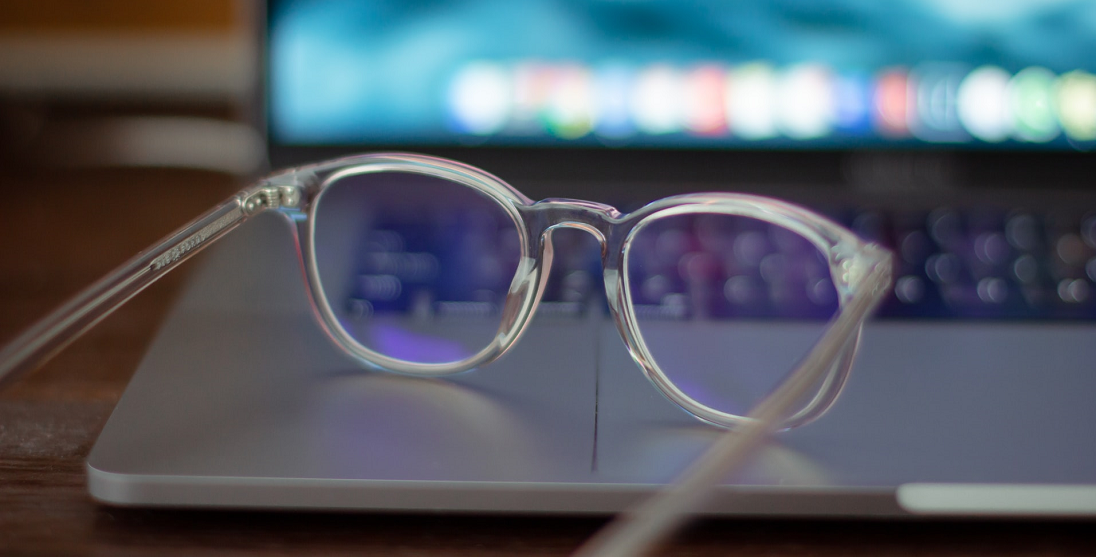
Blue light blocking glasses have lenses designed to filter some short wavelength light. This light comes from the sun, LED bulbs, phones, tablets, monitors, and televisions.
Blue light is not automatically harmful. It is part of visible light, and daylight blue light helps your body stay alert during the day. The concern usually involves bright light exposure at night or long periods of screen use.
Different glasses block different amounts of blue light. Some clear lenses filter a small amount. Amber or orange lenses often block more, but they also change color vision.
Do blue light block glasses work for eye strain?
For most people, the answer is not strongly supported by current evidence. Research has not shown that blue light filtering lenses reliably reduce digital eye strain compared with regular lenses.
Digital eye strain usually comes from several factors:
• Looking at one close distance for a long time
• Blinking less often while reading or working
• Glare from windows or overhead lights
• Poor screen position
• Dry eyes
• Uncorrected vision problems
• Poor posture and neck tension
Blue light may add to visual discomfort for some people, but it is not the main cause for most screen users. In other words, blue light glasses may feel helpful, but the comfort may come from reduced glare, a slight lens tint, or a placebo effect rather than blue light filtering itself.
A large review of controlled trials found little to no meaningful short term benefit from blue light filtering lenses for computer related eye strain. The studies also had limits, including small sample sizes and different lens designs.
So, do blue light block glasses work for eye strain? They might help an individual feel more comfortable, but they should not be treated as a proven treatment.

Do blue light block glasses work for sleep?
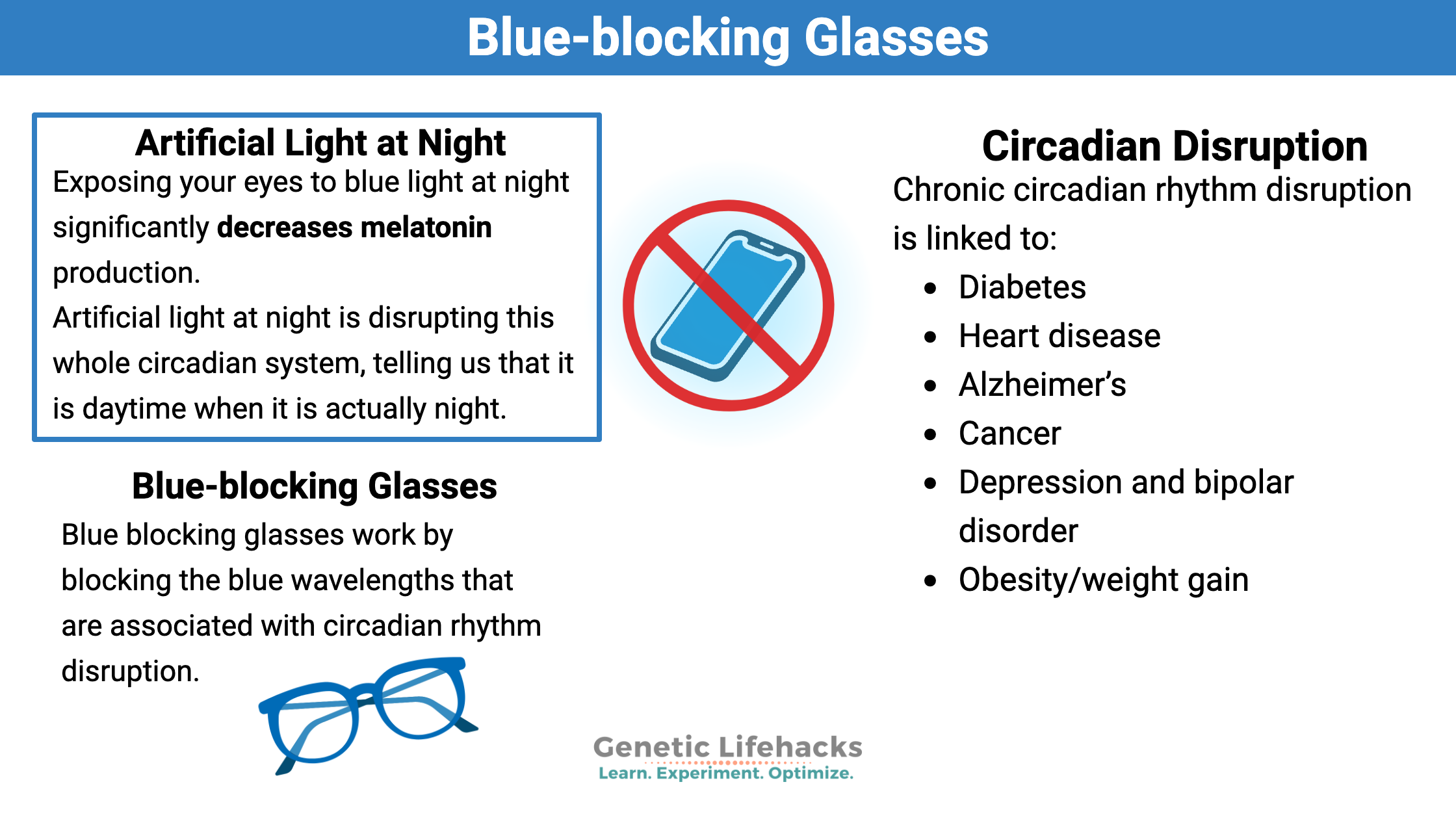
Sleep is where these glasses may have a more reasonable use. Bright light in the evening can delay the release of melatonin, a hormone linked to sleep timing. Blue enriched light may have a stronger effect on the body clock than some other visible light.
Amber glasses that block more short wavelength light may reduce this effect when worn before bed. Some small studies have found better sleep measures or improved alertness the next morning. However, the results are mixed, and the quality of evidence is not high enough to promise the same result for everyone.
Clear blue light glasses may not block enough light to change your sleep cycle. The strength of the lens matters, as does the brightness of the room and screen.
If sleep is your goal, glasses work best as part of a wider evening routine:
• Dim indoor lights one to three hours before bed
• Lower screen brightness
• Use night mode when possible
• Keep your bedroom dark and cool
• Wake up at a regular time
• Get outdoor light in the morning
Do blue light block glasses work for sleep? They may help some people, especially with strong amber lenses, but dimming light and following a steady sleep schedule usually matter more.

Can blue light from screens damage your eyes?
There is no strong evidence that normal screen use causes permanent eye damage from blue light. Screens are much less intense than direct sunlight, and the main short term problem is usually discomfort rather than injury.
This does not mean you should stare at a bright screen without breaks. Long screen sessions can cause dry eyes, blurred vision, headaches, and trouble changing focus from near to far. These symptoms are real, even when blue light is not the main cause.
Sunlight contains far more blue light than a phone or computer. Never use blue light glasses as a reason to look directly at the sun or skip proper sunglasses outdoors. For outdoor protection, use sunglasses that block ultraviolet radiation.
Children also need sensible screen habits. Current evidence does not show that blue light glasses are required for every child who uses a tablet. Regular breaks, outdoor time, proper lighting, and an eye exam are more useful first steps.
Why do screens make your eyes feel tired?
Screen discomfort is often a focus and moisture problem. Your eyes must keep adjusting to a close target, much like a camera lens that stays focused on one object for hours.
People also blink less while reading or concentrating. Fewer blinks allow tears to evaporate, which can cause burning, grittiness, watering, or temporary blur.
Other common causes include:
• Screen glare or reflections
• Text that is too small
• A screen held too close
• Poor room lighting
• An outdated glasses prescription
• Contact lens dryness
• Long work sessions without breaks
This explains why some people say their blue light glasses work. The lenses may include an anti reflective coating or a mild prescription that improves comfort. The real benefit may not come from blue light filtering.
In my experience reviewing eyewear for long workdays, people often notice the biggest change after adjusting screen brightness and reducing glare. A comfortable fit helps too. Glasses that pinch your nose or sit too close to your eyes can create new discomfort.

What the research says about blue light glasses
Research on blue light filtering glasses has produced cautious results. A Cochrane review of randomized trials found that these lenses may not reduce computer related eye strain in the short term. It also found uncertain evidence for sleep benefits.
Professional eye care groups generally agree that screens do not produce enough blue light to cause proven eye disease under normal use. They focus more on breaks, blinking, lighting, distance, and proper vision correction.
Some studies report better sleep or less discomfort with tinted lenses. Yet many include few participants, use different products, or measure personal feelings rather than clear medical outcomes. This makes it hard to compare one pair of glasses with another.
A useful way to read the evidence is to separate three claims:
• Eye strain: Strong proof of benefit is lacking.
• Eye damage: Normal screen blue light has not been shown to cause permanent damage.
• Sleep: Some tinted lenses may help, but results are mixed.
Do blue light block glasses work according to science? They can filter light by design, but their health benefits remain limited or uncertain for most users.

What benefits can blue light blocking glasses offer?
Blue light glasses are not useless. They may offer practical benefits, even when the main marketing claims are too broad.
Possible benefits include:
• Less glare when the lenses have a good anti reflective coating
• More comfort for people who prefer a soft tint
• A reminder to take breaks from screens
• Possible sleep support from strong amber lenses used at night
• Protection from wind or dry indoor air when the glasses reduce airflow around the eyes
The benefit often depends on the lens, not the label. A clear lens that filters only a small amount of blue light may feel much like a regular lens. An orange lens may block more short wavelength light but can make colors look less accurate.
People who work in photo editing, design, health care, or other color sensitive jobs should be careful with strong tints. The altered colors may affect work quality.
A pair of glasses can also improve comfort if it includes your correct prescription. If you have headaches or blurred vision, a proper eye exam is more useful than buying nonprescription blue light glasses.

How to choose blue light glasses
If you want to try them, focus on honest specifications and comfort. Do not choose a product only because it promises to prevent eye disease.
Look for these features:
• A clear statement about the wavelengths filtered
• A comfortable frame that does not press on your temples
• An anti reflective coating
• Reliable optical quality